The technology landscape in 2025 has transformed dramatically, bringing innovations that seemed impossible just years ago. This comprehensive Tech Updates Review 2025 explores the groundbreaking developments shaping our digital future, from artificial intelligence breakthroughs to revolutionary consumer gadgets.
Whether you’re a tech enthusiast, professional, or simply curious about the latest innovations, understanding these trends is essential. The convergence of AI, quantum computing, and next-generation devices is creating unprecedented opportunities across industries. From smart homes to workplace automation, technology continues redefining how we live, work, and connect.
This guide dives deep into the most significant technological advancements of 2025, providing insights into AI evolution, smartphone innovations, wearable technology, computing breakthroughs, and emerging trends. Each section offers practical information to help you navigate the rapidly changing tech ecosystem.
The AI Revolution: What’s Changed in 2025
Artificial intelligence has reached new heights in 2025, with capabilities that fundamentally alter human-computer interaction. Generative AI models now demonstrate reasoning abilities that approach human-level problem-solving, while maintaining ethical guardrails and accuracy improvements.
Large language models have evolved beyond simple text generation. They now integrate multimodal understanding, processing images, audio, video, and text simultaneously. This advancement enables more natural conversations and practical applications across education, healthcare, and creative industries.
AI agents have become mainstream, autonomously handling complex tasks like research, coding, and data analysis. These systems collaborate with humans more effectively, understanding context and adapting to individual working styles. Businesses leverage AI assistants that manage schedules, analyze market trends, and generate insights without constant supervision.
The democratization of AI tools continues accelerating. Small businesses and individuals access enterprise-level AI capabilities through affordable cloud platforms. This accessibility drives innovation across sectors, from personalized education platforms to AI-powered diagnostic tools in remote healthcare settings.
Ethical AI development has gained prominence, with companies implementing transparency measures and bias detection systems. Regulatory frameworks now guide responsible AI deployment, ensuring these powerful technologies benefit society while minimizing potential harms.
Smartphone Evolution: Beyond the Screen
Smartphone technology in 2025 has transcended traditional boundaries, introducing features that redefine mobile computing. Foldable displays have matured significantly, offering durability comparable to conventional screens while providing tablet-sized experiences in pocket-friendly formats.
Battery technology represents perhaps the most impressive advancement. New solid-state batteries deliver multi-day usage under heavy conditions, while ultra-fast charging reaches 80% capacity within 15 minutes. Wireless charging has also evolved, with reverse charging capabilities turning smartphones into power banks for other devices.
Camera systems now incorporate computational photography powered by dedicated AI chips. Night mode captures detail rivaling professional equipment, while advanced zoom capabilities utilize sensor fusion and AI enhancement. Real-time video editing features enable creators to produce broadcast-quality content directly from their phones.
Connectivity improvements through advanced 5G and emerging 6G networks provide near-instantaneous data transfer. Satellite connectivity features ensure communication even in remote areas without traditional cellular coverage, making smartphones truly global communication devices.
Privacy and security features have strengthened considerably. On-device AI processing keeps sensitive data local, while advanced biometric systems combine facial recognition, fingerprint scanning, and behavioral analysis for unbreakable security layers.
Wearable Technology: Health Meets Innovation
Wearable technology has evolved from fitness trackers to comprehensive health monitoring systems. Smartwatches now include non-invasive blood glucose monitoring, continuous blood pressure tracking, and advanced sleep analysis providing actionable health insights.
The integration of medical-grade sensors enables early detection of potential health issues. Irregular heart rhythms, respiratory problems, and stress indicators trigger alerts prompting users to seek professional medical advice. These capabilities have transformed wearables into preventive healthcare tools.
Smart rings have gained popularity as discreet alternatives to watches, offering similar health tracking capabilities in minimal form factors. These devices monitor body temperature, heart rate variability, and activity levels without the bulk of traditional wearables.
Augmented reality glasses have finally achieved mainstream viability. Lightweight designs provide navigation, notifications, and real-time translation without obstructing vision. Professional applications include hands-free instructions for technicians and surgeons, revolutionizing specialized workflows.
Battery life improvements allow wearables to function for weeks without charging. Solar charging integration and kinetic energy harvesting reduce dependence on traditional charging methods, making devices more practical for extended outdoor activities and travel.
Computing Power: Desktop and Laptop Innovations
Computing hardware has reached new performance milestones while dramatically improving energy efficiency. Processors built on advanced architectures deliver unprecedented speeds for content creation, gaming, and professional applications while consuming less power than previous generations.
AI-integrated processors handle machine learning tasks locally, enabling features like real-time language translation, advanced photo editing, and voice recognition without cloud dependency. This local processing protects privacy while providing instant responsiveness.
Memory and storage technologies have advanced significantly. Ultra-fast solid-state drives with capacities exceeding 10TB become standard, while RAM speeds enable seamless multitasking across dozens of applications. These improvements eliminate traditional computing bottlenecks.
Display technology showcases stunning advancements with OLED and mini-LED screens offering perfect blacks, incredible contrast ratios, and HDR capabilities. High refresh rates up to 240Hz provide buttery-smooth visuals for gaming and professional design work.
Modular laptop designs allow users to upgrade individual components, extending device lifespans and reducing electronic waste. Standardized ports and expansion systems enable customization based on specific needs, from enhanced graphics capabilities to additional storage options.
Smart Home Technology: Connected Living
Smart home ecosystems have matured into truly integrated systems where devices communicate seamlessly. Voice assistants now understand context better, responding to natural language commands without requiring specific phrases or wake words for every interaction.
Energy management systems optimize household consumption automatically, learning usage patterns and adjusting heating, cooling, and lighting for maximum efficiency. These systems integrate with renewable energy sources and battery storage, reducing utility costs while supporting environmental sustainability.
Security systems leverage AI to distinguish between family members, regular visitors, and potential threats. Facial recognition, behavioral analysis, and smart locks create comprehensive protection while maintaining convenience for authorized users.
Kitchen appliances have become intelligent cooking assistants. Smart ovens automatically adjust temperatures based on food type, while refrigerators track inventory, suggest recipes, and even place grocery orders when supplies run low. These innovations reduce food waste and simplify meal planning.
Home automation extends to maintenance monitoring. Systems detect plumbing issues, electrical problems, and appliance malfunctions before they become serious, alerting homeowners and connecting them with service providers. Predictive maintenance saves money and prevents inconvenient breakdowns.
Gaming Technology: Immersive Experiences
Gaming technology in 2025 delivers unprecedented immersion through hardware and software innovations. Graphics processing units render photorealistic environments at frame rates exceeding 120fps, creating visual experiences indistinguishable from reality.
Virtual reality headsets have overcome previous limitations with wireless operation, wider field-of-view, and higher resolution displays eliminating screen-door effects. Haptic feedback systems simulate touch sensations, while motion tracking captures subtle body movements for natural in-game interactions.
Cloud gaming services provide console-quality experiences on any device with internet connectivity. Advanced compression algorithms and edge computing reduce latency to imperceptible levels, making streaming viable for competitive gaming. Subscription models offer access to vast game libraries without expensive hardware investments.
Cross-platform play has become universal, allowing friends to game together regardless of their chosen devices. Unified accounts preserve progress across platforms, while social features facilitate community building and content sharing.
Accessibility features ensure gaming welcomes everyone. Customizable controls, visual assistance options, and adaptive difficulty settings accommodate various abilities, expanding gaming’s reach while creating more inclusive communities.
Emerging Technologies: What’s on the Horizon
Quantum computing has transitioned from laboratory curiosity to practical applications in specific domains. While not replacing traditional computers, quantum systems solve complex optimization problems in drug discovery, financial modeling, and cryptography that were previously intractable.
Brain-computer interfaces have progressed beyond research settings. Non-invasive systems enable control of devices through thought patterns, assisting individuals with mobility limitations while opening possibilities for enhanced human-computer interaction.
Biotechnology integration with consumer electronics creates hybrid devices monitoring health at cellular levels. Biosensors detect disease markers in sweat and breath, providing early warnings for conditions like diabetes and certain cancers.
Sustainable technology manufacturing addresses environmental concerns. Companies utilize recycled materials, implement carbon-neutral production processes, and design products for easy repair and recycling. This shift responds to consumer demand for environmentally responsible electronics.
Edge computing architecture processes data closer to sources, reducing latency and bandwidth requirements. This approach enables real-time applications in autonomous vehicles, industrial automation, and smart cities where split-second decisions matter.
Practical Implications: How These Updates Affect You
Understanding these technological advancements helps make informed purchasing decisions and career planning. AI literacy becomes essential as automation transforms job markets, requiring workers to develop complementary skills that machines cannot replicate.
Privacy considerations grow more critical as devices collect increasing amounts of personal data. Understanding privacy settings, utilizing encryption, and choosing products from trustworthy manufacturers protects sensitive information in an interconnected world.
The digital divide remains a concern despite technological progress. Ensuring equitable access to these innovations requires policy interventions and community initiatives bridging gaps between different socioeconomic groups.
Continuous learning becomes necessary as technology evolves rapidly. Online resources, community workshops, and educational platforms provide opportunities to stay current with emerging tools and applications.
Investment in future-proof technology considers longevity and upgrade paths. Devices supporting open standards and modular designs maintain relevance longer, providing better value despite potentially higher initial costs.
Conclusion: Embracing the Tech Future
This Tech Updates Review 2025 reveals a technology landscape rich with innovation and possibility. From AI assistants that genuinely understand our needs to gadgets that monitor our health proactively, these advancements improve lives in tangible ways.
The convergence of artificial intelligence, connectivity, and advanced hardware creates opportunities for enhanced productivity, creativity, and wellbeing. While challenges around privacy, accessibility, and environmental impact require attention, the overall trajectory points toward a more connected and capable future.
Staying informed about technological developments empowers better decisions regarding personal and professional technology adoption. Whether upgrading devices, learning new skills, or simply understanding how innovation affects daily life, knowledge remains the most valuable tool in navigating our technological future.
The innovations covered here represent just the beginning. As technology continues evolving at an accelerating pace, remaining curious, adaptable, and engaged ensures you won’t just witness the future—you’ll actively participate in shaping it.
See Also
-
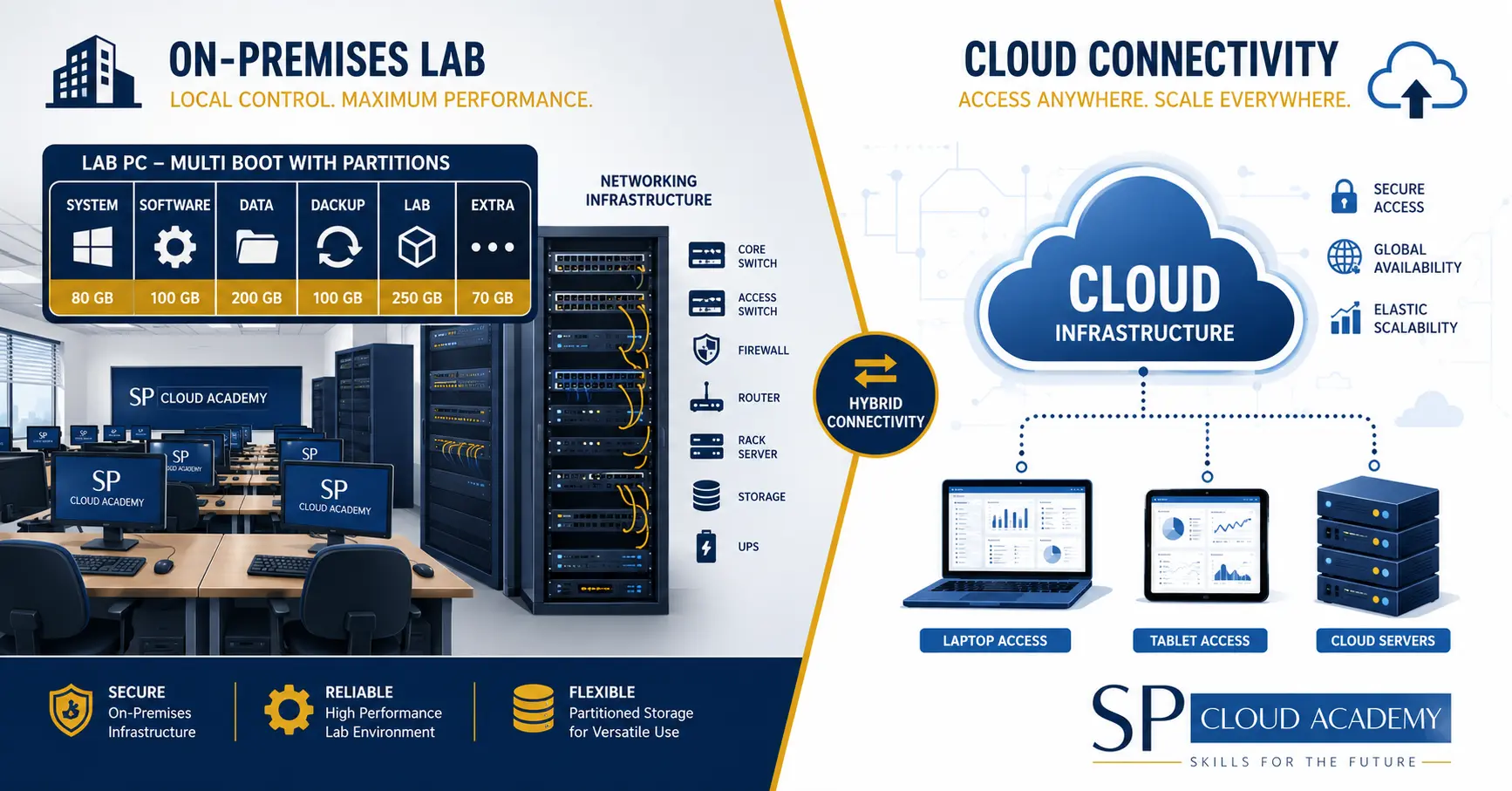
Personal IT Environment Development for R&D: A Complete Framework for On-Premises, Virtual, and Cloud Labs
-

All Startup Founders Are Entrepreneurs—But Not All Entrepreneurs Build Startups: Here’s Why It Matters
-

Intellectual Property Secrets: How to Protect Your Ideas Before Someone Steals Them
-

Revolutionary Upcoming Tech Updates from Apple in 2026: 12 Game-Changing Innovations
-

From AI to Gadgets: A Complete Tech Updates Review 2025 You Can’t Afford to Miss
-

Paraphrasing Mastery: Rewrite Content While Preserving Core Meaning