
Introduction
Imagine your smart fridge predicting you’re out of milk before you even open the door—or a factory machine fixing itself before it breaks. This isn’t sci-fi. It’s the powerful combination of Edge Computing and IoT (Internet of Things) in action right now in 2026.
IoT connects billions of devices, from wearables to city sensors, generating massive data every second. But sending everything to distant cloud servers creates delays, high costs, and security risks. Edge computing changes the game by processing data right where it’s created—on the device or nearby “edge” servers.
Together, Edge + IoT creates a responsive, efficient, and intelligent ecosystem. Latency drops from seconds to milliseconds. Bandwidth usage shrinks. Decisions happen instantly. Industries from manufacturing to healthcare are already seeing huge gains in efficiency and innovation.
In this article, we’ll explore what makes this duo so transformative, real-world examples, benefits, challenges, and what the future holds. Whether you’re a tech enthusiast, business leader, or just curious about the smart world unfolding around us, you’ll see why Edge IoT is the backbone of our connected tomorrow.
Understanding IoT: The Connected World
The Internet of Things is the vast network of everyday objects embedded with sensors, software, and connectivity. By 2025, over 18.8 billion IoT devices were online, heading toward 40 billion by 2030. These gadgets collect data on temperature, motion, location, health metrics, and more.
Think of IoT as the nervous system of the modern world. Smart thermostats learn your habits, traffic cameras monitor congestion, and wearable trackers send vital signs to doctors. The promise is seamless automation and data-driven insights that improve daily life and business operations.
Yet, raw IoT data alone isn’t enough. Without fast processing, the flood of information overwhelms networks and clouds. That’s where the limitations show—slow responses, privacy concerns, and skyrocketing costs for constant data uploads.
IoT shines brightest when paired with smarter processing layers. It turns passive devices into proactive ones capable of real-time action. This foundation sets the stage for edge computing to unlock IoT’s full potential, creating systems that don’t just collect data—they act on it instantly.
What is Edge Computing?
Edge computing processes data near its source instead of sending it to centralized cloud data centers. It happens on local devices, gateways, or small nearby servers—literally at the “edge” of the network.
Unlike traditional cloud setups that rely on long-distance travel for data, edge solutions analyze and respond immediately. This is crucial for time-sensitive tasks like autonomous driving or medical alerts where even a one-second delay can matter.
Edge computing isn’t replacing the cloud—it complements it. Critical real-time decisions happen locally, while less urgent data heads to the cloud for long-term storage and deeper analysis. The result? A hybrid system that’s faster, cheaper, and more reliable.
In 2026, edge hardware has become more powerful and affordable thanks to advanced chips designed for AI inference. Factories, hospitals, and cities now deploy compact edge nodes that handle complex workloads without constant internet dependency. This shift makes edge computing the perfect partner for IoT’s massive data streams.
The Perfect Synergy: How Edge + IoT Work Together
Edge computing and IoT are like peanut butter and jelly—each good alone, but unstoppable together. IoT devices generate the data; edge nodes process it locally for instant insights and actions.
Here’s how it works in simple terms: A sensor on a factory machine (IoT) detects unusual vibration. Instead of sending gigabytes of raw data to a distant cloud, an edge gateway analyzes it right there. It identifies a potential failure, triggers an alert, and even adjusts the machine—all in milliseconds. Only summarized insights travel to the cloud.
This synergy delivers low latency, reduced bandwidth needs, and better privacy since sensitive data never leaves the local network. AI models now run directly on edge devices, enabling “Edge AI” for smarter, autonomous operations.
The combination also scales effortlessly. As more IoT devices come online, edge infrastructure distributes the workload, preventing cloud bottlenecks. It’s the foundation for truly responsive smart systems that feel intuitive and alive.
Key Benefits of Edge IoT Integration
The Edge + IoT duo delivers game-changing advantages that traditional cloud-only setups simply can’t match.
First, ultra-low latency: Decisions happen in real time. In healthcare, a wearable detecting irregular heart rhythm can alert emergency services instantly. In manufacturing, production lines adjust on the fly to avoid defects.
Second, bandwidth and cost savings: Only essential data travels to the cloud. Companies slash networking expenses dramatically while handling exploding data volumes from billions of devices.
Third, enhanced security and privacy: Processing data locally keeps sensitive information (like patient records or industrial secrets) away from public networks. Distributed architecture also reduces single points of failure.
Fourth, greater reliability: Edge systems keep working even during internet outages. This is vital for remote operations, autonomous vehicles, or critical infrastructure.
Fifth, scalability and sustainability: Edge IoT supports massive device growth without overwhelming central servers. It also cuts energy use by minimizing long-distance data transmission, aligning with green tech goals.
These benefits explain why the edge computing market is exploding, with projections showing rapid growth through 2035 as businesses embrace real-time intelligence.
Real-World Applications Transforming Industries
Edge + IoT is already reshaping multiple sectors with impressive results.
In manufacturing, predictive maintenance is huge. Sensors on equipment monitor vibration and temperature at the edge. AI spots failure patterns early, cutting unplanned downtime by up to 50% in some factories. One appliance maker now catches defects before products ship, saving millions.
Healthcare benefits enormously from real-time monitoring. Wearable heart monitors and smart inhalers process data locally to alert doctors instantly. Hospitals use edge systems for in-room patient tracking, ensuring privacy while enabling faster responses.
Smart cities leverage the duo for traffic lights that adapt to emergency vehicles without cloud delays, plus environmental sensors that adjust street lighting or manage water systems efficiently. Cities like Palermo, Italy, use IoT edge tech for leak detection and better resource management.
Other examples include airport ground operations optimizing equipment placement, power grid monitoring preventing outages, and retail stores using edge AI for instant inventory and personalized customer experiences. From agriculture to logistics, Edge IoT turns data into immediate action.
Overcoming Challenges in Edge IoT Deployment
Despite the excitement, implementing Edge + IoT isn’t without hurdles.
Security tops the list. More edge devices mean more potential attack points. Organizations must invest in robust encryption, regular updates, and zero-trust models to protect distributed networks.
Interoperability remains tricky too. Devices from different manufacturers often use varying standards, complicating seamless integration. Industry efforts toward common protocols are helping, but legacy systems still slow adoption.
Management complexity grows with scale. Orchestrating thousands of edge nodes requires advanced tools for monitoring, updates, and analytics—often demanding new skills from IT teams.
Cost can be a barrier for smaller businesses, though falling hardware prices are easing this. Energy efficiency in remote deployments is another focus, especially for battery-powered IoT sensors.
The good news? Solutions like AI-driven security, containerized apps, and hybrid platforms are maturing fast in 2026. With careful planning and the right partners, these challenges become manageable stepping stones to powerful results.
Future Trends: What’s Next for Edge and IoT in 2026 and Beyond
Looking ahead, Edge + IoT is poised for even greater impact.
Edge AI will dominate, with smarter models running directly on devices for autonomous decision-making. Expect widespread use of digital twins—virtual replicas of physical assets updated in real time.
5G and emerging 6G networks will supercharge connectivity, enabling massive device densities with ultra-low latency. Sustainability will drive innovations in energy-efficient edge hardware and green data practices.
Hybrid architectures blending edge, fog, and cloud will become standard, offering flexibility for any workload. Industries will see deeper integration in autonomous systems, personalized medicine, and climate-smart cities.
By 2030, experts predict explosive growth as these technologies mature. The focus will shift toward ethical AI, data sovereignty, and inclusive smart solutions that benefit everyone. Edge IoT isn’t just evolving—it’s becoming the invisible intelligence powering our daily lives.
Conclusion
Edge Computing and IoT together form a dynamic duo that’s redefining what’s possible in our connected world. From slashing delays and costs to enabling life-saving real-time decisions, this partnership is building a smarter, more responsive future.
Businesses and cities that embrace Edge + IoT today will lead tomorrow’s innovations. As the technology matures through 2026 and beyond, the opportunities are limitless—more efficient operations, better quality of life, and sustainable growth.
The smart future isn’t coming. It’s already here, powered by the seamless intelligence of Edge and IoT. The question is: are you ready to be part of it?
See Also
-

Google or Microsoft? Breaking Down the Ecosystem Battle for Your Daily Digital Life
-
Hybrid Cloud vs. Multicloud: What’s the Real Difference and Why It Matters
-
Is Starlink the Future of Global Connectivity? What You Need to Know Before Switching!
-

Google Workspace Management Guide for Business and Education with Custom Domain
-
Unlocking the Power of Azure Stack: Revolutionizing Hybrid Cloud for Modern Enterprises
-

How to Build a State-of-the-Art ICT Center for Engineering R&D and Training
-

Office and File Management with Google Workspace for Education
-

Strategic IT Planning in Engineering Education
-
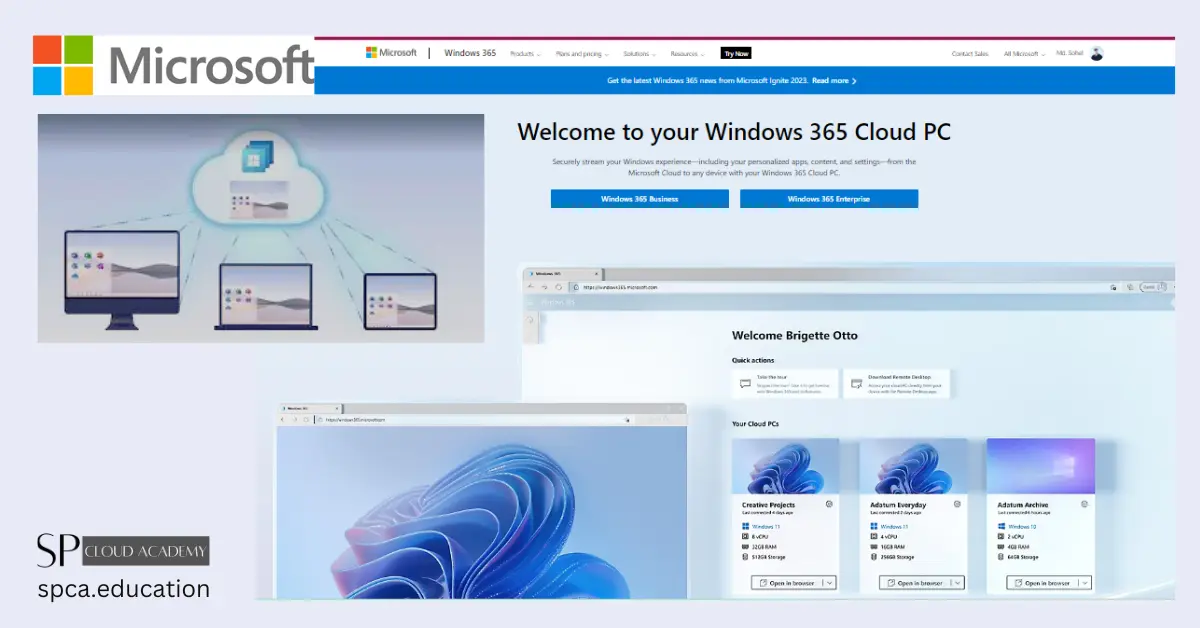
Windows 365 Cloud PC by Microsoft: Revolutionizing Remote Work and Productivity