
Introduction to Social Media Administration
Social media administration has emerged as one of the most flexible and rewarding part-time career options in today’s digital economy. As businesses increasingly recognize the importance of maintaining an active online presence, the demand for skilled social media administrators continues to grow exponentially.
A social media administrator manages and maintains a company’s social media accounts, creating content, engaging with followers, and analyzing performance metrics. This role offers the perfect balance between creativity and analytics, making it ideal for those seeking flexible work arrangements without compromising professional growth.
The beauty of social media administration lies in its accessibility. Whether you’re a student, stay-at-home parent, or professional seeking additional income, this field welcomes diverse backgrounds. With minimal startup costs and the ability to work remotely, it’s become a gateway for many to enter the digital marketing world.
Essential Skills for Social Media Administrators
Success in social media administration requires a unique blend of creative and technical competencies. Content creation sits at the core of this role, demanding the ability to craft compelling posts, design eye-catching graphics, and write engaging captions that resonate with target audiences.
Communication skills are paramount. You’ll interact with followers, respond to comments, and represent brands across multiple platforms. Strong written communication ensures your messages are clear, professional, and aligned with brand voice.
Analytics proficiency separates good administrators from great ones. Understanding metrics like engagement rates, reach, and conversion helps optimize strategies and demonstrate value to clients. Familiarity with tools like Facebook Insights, Instagram Analytics, and Google Analytics is essential.
Time management and organization become critical when juggling multiple client accounts. The ability to schedule posts, plan content calendars, and meet deadlines ensures consistent quality. Platform-specific knowledge of Instagram, Facebook, LinkedIn, Twitter, and TikTok allows you to tailor strategies effectively.
Basic graphic design skills using tools like Canva or Adobe Creative Suite enhance your marketability. While you don’t need to be a professional designer, creating visually appealing content significantly impacts engagement rates.
Income Potential and Earning Opportunities
The income potential for part-time social media administrators varies significantly based on experience, client type, and workload. Entry-level administrators typically earn between fifteen to twenty-five dollars per hour, while experienced professionals can command fifty to one hundred dollars hourly.
Many administrators work on retainer models, charging clients monthly fees ranging from three hundred to two thousand dollars per account. This approach provides stable, predictable income while allowing you to manage multiple clients simultaneously. The key is finding the right balance between workload and compensation.
Freelance platforms like Upwork, Fiverr, and Freelancer offer opportunities to build your client base. However, direct client relationships often yield higher rates and more consistent work. As you develop expertise in specific niches—such as e-commerce, healthcare, or real estate—you can justify premium pricing.
Additional revenue streams include offering supplementary services like content creation packages, social media audits, or training sessions. Some administrators earn passive income by creating and selling social media templates, courses, or ebooks sharing their expertise.
Geographic location matters less in this digital field, but understanding market rates helps set competitive pricing. Building a strong portfolio and collecting testimonials accelerates income growth potential significantly.
Career Growth and Advancement Paths
Social media administration serves as an excellent foundation for broader digital marketing careers. Many professionals transition into full-time social media management positions, overseeing entire marketing teams and developing comprehensive strategies for larger organizations.
Specialization opens doors to higher-paying opportunities. You might focus on specific platforms, industries, or services like influencer marketing, paid advertising, or community management. Each specialization allows you to develop deeper expertise and command premium rates.
The entrepreneurial path attracts many administrators who eventually establish their own social media agencies. Starting small with a few clients, you can gradually build a team, delegate tasks, and scale operations while maintaining strategic oversight.
Continuous learning remains crucial for career advancement. Certifications from platforms like Facebook Blueprint, Google Digital Garage, or HubSpot Academy enhance credibility and demonstrate commitment to professional development. Staying current with algorithm changes, emerging platforms, and industry trends ensures long-term relevance.
Networking within marketing communities, attending virtual conferences, and engaging with industry leaders on LinkedIn expands opportunities. Many successful administrators attribute their growth to relationships built through genuine engagement and knowledge sharing.
Getting Started: Practical Steps
Beginning your social media administration journey requires strategic planning and deliberate action. Start by assessing your current skills and identifying gaps through honest self-evaluation. Focus on platforms you use regularly and understand intuitively before expanding to others.
Create your professional presence by optimizing your own social media profiles. Your accounts serve as living portfolios demonstrating your capabilities to potential clients. Share valuable content, engage thoughtfully, and showcase your understanding of effective social media practices.
Gain experience through volunteer work or offering discounted services to small businesses or nonprofits. This approach builds your portfolio, generates testimonials, and provides real-world experience managing client expectations and delivering results.
Invest in essential tools without overspending initially. Free versions of scheduling platforms like Buffer or Hootsuite, design tools like Canva, and analytics dashboards provide everything needed to start professionally. Upgrade to paid versions as your client base grows.
Set clear boundaries between work and personal time, especially when working from home. Establish specific working hours, create a dedicated workspace, and communicate availability clearly to clients. This structure prevents burnout and maintains work-life balance.
Conclusion
Social media administration offers a viable part-time career path with significant income potential and growth opportunities. The combination of creative expression, analytical thinking, and flexible scheduling makes it attractive for diverse professionals seeking meaningful work.
Success requires dedication to skill development, understanding of platform dynamics, and commitment to delivering client value. As businesses continue prioritizing digital presence, demand for skilled administrators will only intensify, creating abundant opportunities for those willing to invest in their professional development.
Whether you’re seeking supplemental income, exploring a career change, or building toward entrepreneurship, social media administration provides a practical entry point into the dynamic digital marketing landscape. Start small, learn continuously, and watch your opportunities expand.
See Also
-

Data Protection Deep Dive: Firmware Security, Secure Boot, User Authentication & Disk Encryption
-

NAS vs Cloud Storage: A Complete Comparison
-

The Secret Behind Successful SaaS Platforms: Cloud Architecture, Scalability, and Performance Explained
-
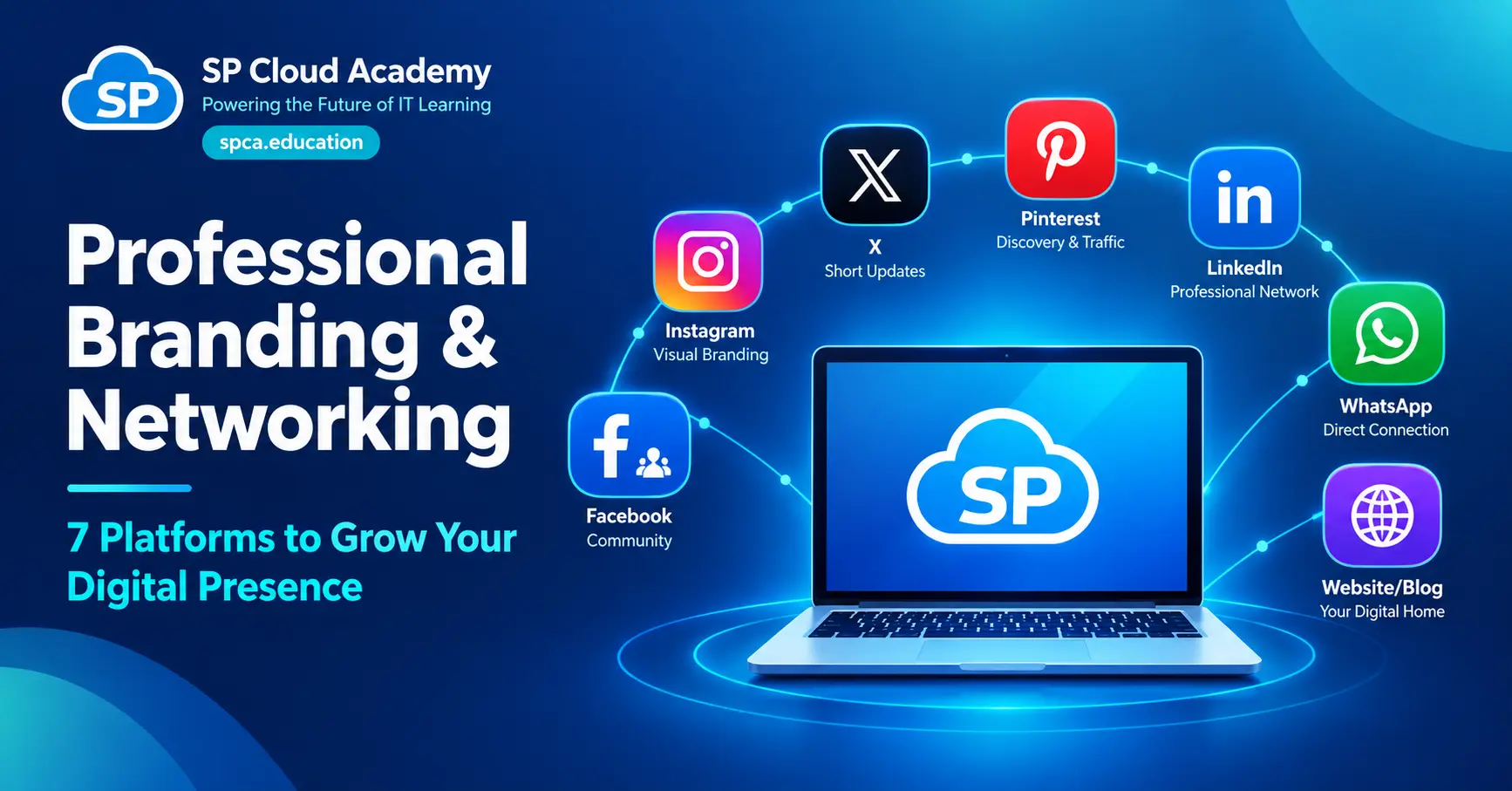
Professional Branding & Networking: 7 Platforms to Grow Your Digital Presence
-

Academic Excellence vs. Industry Certifications vs. Real-World Experience: The Formula for Career Success
-
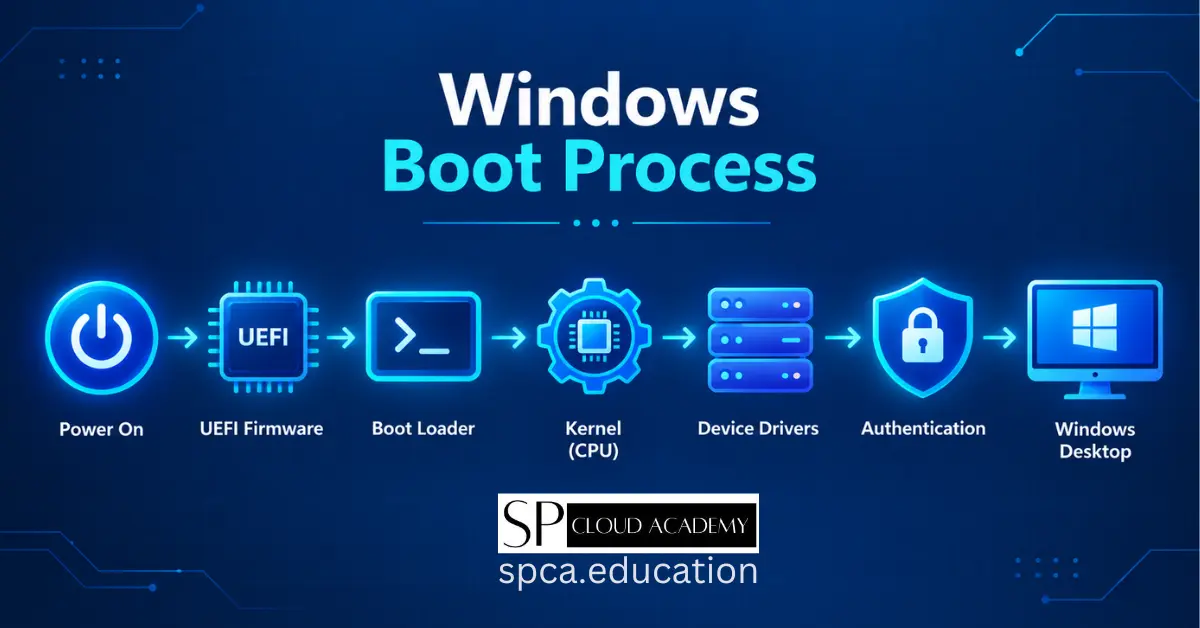
Windows Boot Process: Deep Dive, Troubleshooting & Optimization
-

Commands vs Scripting in Systems Administration: From Manual Control to Powerful Automation
-

Windows 11 Advanced Recovery: The Complete Step-by-Step Guide to Fixing Boot Errors, Crash Loops and System Failures
-

Windows 11 User & Group Management: The Ultimate Guide to Access Control and Security