
Introduction: The Three Pillars of Human Excellence
What separates someone who merely knows their job from someone who truly excels at it? The answer lies in understanding competence as a dynamic interplay of three essential elements: knowledge, skills, and attitudes. These components work together like the legs of a tripod, each supporting and strengthening the others to create genuine capability.
In today’s rapidly evolving world, possessing information alone is insufficient. We’ve all encountered individuals with impressive credentials who struggle to apply their learning effectively. True competence emerges when theoretical understanding merges with practical ability and the right mindset. This holistic approach to personal development transforms potential into performance.
Organizations worldwide recognize this trinity as the foundation of exceptional performance. Whether you’re a student beginning your career journey, a professional seeking advancement, or a leader developing others, understanding how these elements interact can unlock unprecedented growth. The relationship between what we know, what we can do, and how we approach challenges determines our capacity to create meaningful impact in any field.
Understanding Knowledge: The Foundation of Competence
Knowledge represents the theoretical foundation upon which all competence is built. It encompasses facts, concepts, principles, and information acquired through education, experience, and observation. Without adequate knowledge, even the most motivated individuals struggle to make informed decisions or understand the context of their actions.
There are multiple dimensions to knowledge. Declarative knowledge involves knowing “what” — understanding facts and information. Procedural knowledge covers knowing “how” — comprehending processes and methods. Conceptual knowledge bridges these by explaining “why” things work as they do. Together, these forms create a comprehensive understanding that guides effective action.
However, knowledge alone has limitations. The world is filled with subject matter experts who cannot translate their expertise into practical outcomes. Information stored in our minds remains dormant until activated through application. This is why many highly educated individuals still struggle in real-world situations despite their academic achievements.
The modern challenge isn’t accessing knowledge but selecting what’s relevant. We live in an information-abundant era where discernment matters more than accumulation. Critical thinking skills help filter valuable insights from noise, ensuring the knowledge we build serves our competence rather than overwhelming it. Quality trumps quantity when developing your knowledge base.
Developing Skills: Turning Knowledge Into Action
Skills transform theoretical knowledge into tangible results. They represent the ability to perform specific tasks effectively through practice, training, and experience. While knowledge tells us what should happen, skills enable us to make it happen consistently and efficiently.
Technical skills are job-specific abilities like coding, financial analysis, or surgical procedures. These hard skills are measurable and often acquired through formal training. However, equally important are soft skills such as communication, problem-solving, and collaboration. These transferable abilities apply across contexts and often determine who advances professionally.
The journey from novice to expert follows predictable stages. Initially, we perform tasks consciously and awkwardly, requiring intense concentration. With deliberate practice, actions become smoother and more automatic. Eventually, skills become second nature, freeing mental resources for creativity and innovation. This progression requires patience and persistent effort.
Practice alone doesn’t guarantee mastery. Deliberate practice involves focused repetition with immediate feedback, pushing just beyond your current comfort zone. This approach accelerates skill development far more effectively than mindless repetition. Seeking mentorship, embracing challenges, and analyzing mistakes turns ordinary practice into extraordinary growth opportunities.
Cultivating Attitudes: The Hidden Driver of Success
Attitudes comprise the beliefs, values, and emotional orientations that influence how we approach tasks and interact with others. Often overlooked, attitude serves as the catalyst that determines whether knowledge and skills reach their full potential or remain underutilized.
Your attitude shapes everything from work ethic to resilience. A growth mindset views challenges as opportunities rather than threats, transforming setbacks into learning experiences. Conversely, a fixed mindset limits development by avoiding difficulties and interpreting failure personally. These internal narratives profoundly impact what we attempt and ultimately achieve.
Professional attitudes include enthusiasm, integrity, accountability, and respect. These qualities influence team dynamics, customer relationships, and organizational culture. Someone with mediocre skills but exceptional attitude often outperforms technically superior colleagues who lack commitment or cooperation. Attitude determines effort, and effort frequently determines outcome.
Attitudes can be cultivated through self-awareness and intentional effort. Reflecting on reactions, seeking feedback, and challenging limiting beliefs gradually shift perspectives. Surrounding yourself with positive influences and practicing gratitude rewires mental patterns over time. While changing attitudes requires more effort than learning facts or techniques, the impact on overall competence is transformative and enduring.
The Synergy Effect: Where Magic Happens
True competence emerges not from isolated elements but from their integration. Knowledge without skills produces “armchair experts” who understand theory but cannot execute. Skills without knowledge create technicians who follow procedures blindly without understanding principles. Attitude without either produces enthusiasm without direction or capability.
When these three elements align, synergy creates exponential results. Knowledge informs which skills to develop and how to apply them appropriately. Skills provide feedback that deepens knowledge through experience. Positive attitudes fuel the persistence required for continuous improvement in both domains. This virtuous cycle accelerates development beyond what any single element could achieve.
Consider a surgeon. They possess extensive anatomical knowledge, refined technical skills from years of practice, and attitudes of precision and calm under pressure. Remove any element and competence collapses—knowledge alone cannot heal patients, nor can dexterous hands without understanding, nor can positive thinking compensate for lack of expertise.
Organizations seeking high performance must develop all three dimensions simultaneously. Training programs focusing solely on technical skills while ignoring mindset or theoretical foundations produce incomplete results. Holistic development approaches recognize that sustainable excellence requires balanced attention to knowledge acquisition, skill refinement, and attitude cultivation across all levels.
Practical Strategies for Balanced Development
Developing competence requires intentional strategies addressing each component. For knowledge, establish learning routines incorporating reading, courses, podcasts, and conversations with experts. Focus on foundational concepts before diving into specialization. Create systems for organizing and retrieving information so it remains accessible when needed.
Skill development demands deliberate practice with clear objectives. Break complex abilities into component parts and master each individually. Seek immediate feedback through mentors, peers, or self-recording. Embrace discomfort as the zone where growth occurs. Schedule regular practice sessions and track progress to maintain motivation through inevitable plateaus.
Attitude transformation begins with honest self-assessment. Identify limiting beliefs holding you back and consciously replace them with empowering alternatives. Surround yourself with people who embody desired attitudes. Practice visualization and positive self-talk. Celebrate small wins to reinforce productive mindsets. Remember that attitude adjustments happen gradually through consistent effort.
Integration happens through real-world application. Seek projects combining knowledge, skills, and attitude development. Reflect regularly on how these elements interact in your performance. Request feedback specifically addressing all three components. Create personal development plans balancing attention across domains rather than overemphasizing comfort zones while neglecting weaknesses.
Measuring and Maintaining Competence
Assessing competence requires evaluation methods addressing all three dimensions. Knowledge can be tested through examinations, certifications, and interviews. Skills demonstrate themselves through performance observations, portfolios, and practical assessments. Attitudes reveal themselves in behaviors, peer feedback, and consistency under pressure.
Comprehensive evaluation systems use multiple methods to capture the full picture. 360-degree feedback incorporates perspectives from supervisors, peers, and subordinates. Performance reviews should explicitly address knowledge application, skill demonstration, and attitudinal contributions. Self-assessment develops metacognitive awareness, helping individuals identify development priorities.
Competence isn’t static—it requires continuous maintenance and upgrading. Industries evolve, technologies advance, and best practices change. Yesterday’s expertise becomes today’s obsolescence without ongoing learning. Schedule regular skill refreshers and knowledge updates. Stay curious and open to new approaches even in familiar domains.
Building learning into daily routines prevents stagnation. Dedicate time for reading, experimentation, and reflection. Join professional communities where knowledge sharing happens naturally. Teach others to deepen your own understanding. View every project as both a performance opportunity and a learning experience. This lifelong learning approach ensures competence grows rather than atrophies over time.
Conclusion: Your Path to Exceptional Competence
Unlocking human potential requires recognizing that true competence flows from the harmonious development of knowledge, skills, and attitudes. Each element plays an irreplaceable role in transforming capability into achievement. Neglecting any component creates imbalance that limits overall effectiveness regardless of strengths in other areas.
The journey toward exceptional competence is personal and ongoing. Start by honestly assessing your current state across all three dimensions. Identify specific gaps and create actionable plans addressing them. Celebrate progress while maintaining humble awareness of how much remains to learn and develop.
Remember that competence isn’t about perfection but about continuous growth. Small, consistent improvements compound into remarkable transformations over time. By intentionally cultivating knowledge, deliberately practicing skills, and consciously shaping attitudes, you create the foundation for extraordinary achievement in any endeavor. Your potential awaits—unlock it through balanced, purposeful development of these three essential pillars.
See Also
-

Learn, Unlearn, and Relearn: The Secret Formula for Professional Success in a Changing World
-

The Complete 2026 Free Cloud Credits and Services List
-

ADDIE Framework Explained: Analysis, Design, Development, Implementation & Evaluation
-
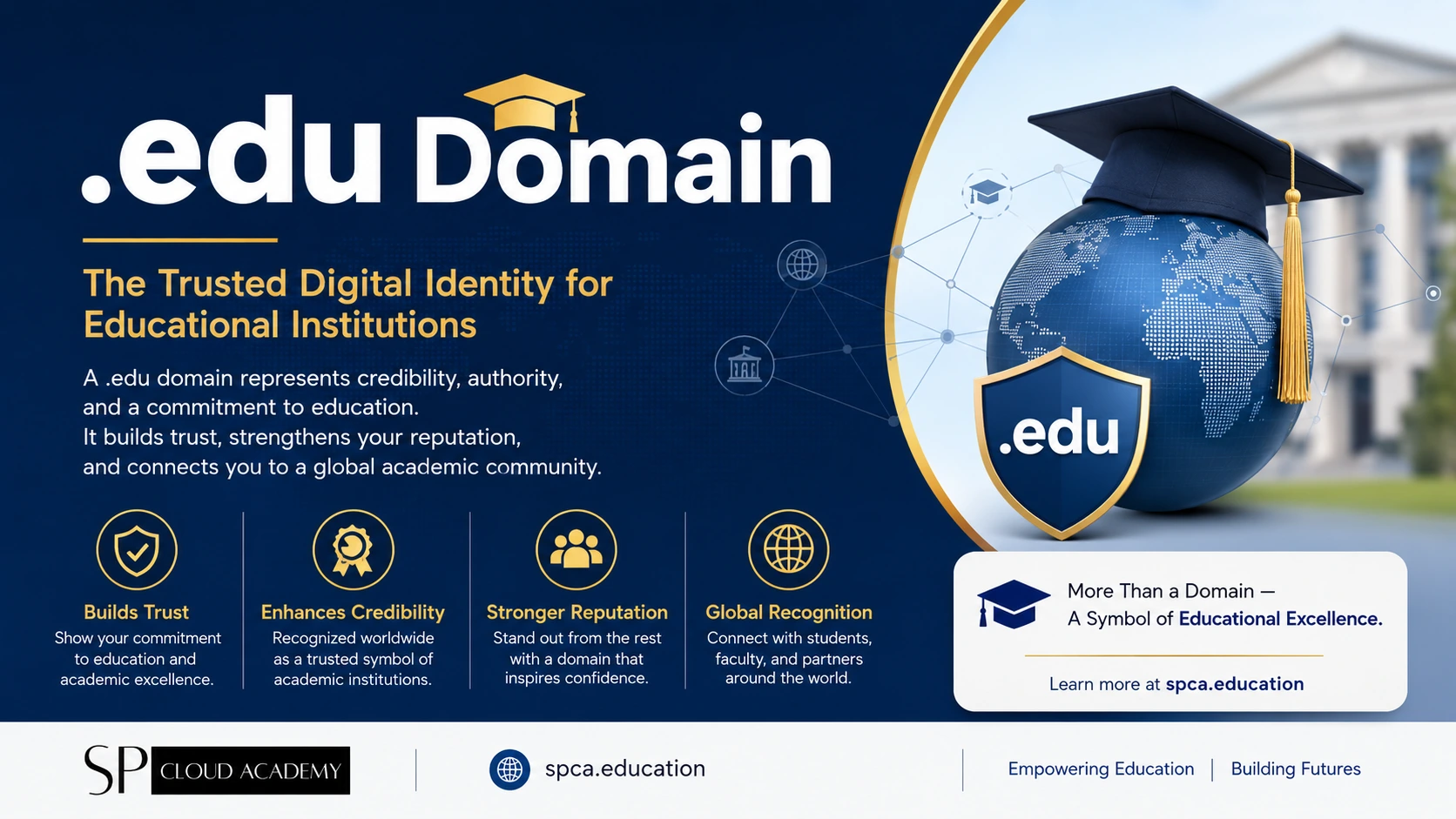
The Power of the .edu Domain in Education: A 2026 Guide to Institutional Credibility and Student Benefits
-

Intellectual Property Secrets: How to Protect Your Ideas Before Someone Steals Them
-

From Overthinking to Clarity: How CBT Helps You Take Control of Your Thoughts
-

Effortless Classroom Control: Needs-Based Teaching Resource 2026
-

Smart Classroom Planning Made Easy: The Ultimate Accessories List & Deployment Blueprint
-

Internship & Apprenticeship Programs Explained: Real Differences, Real Career Impact